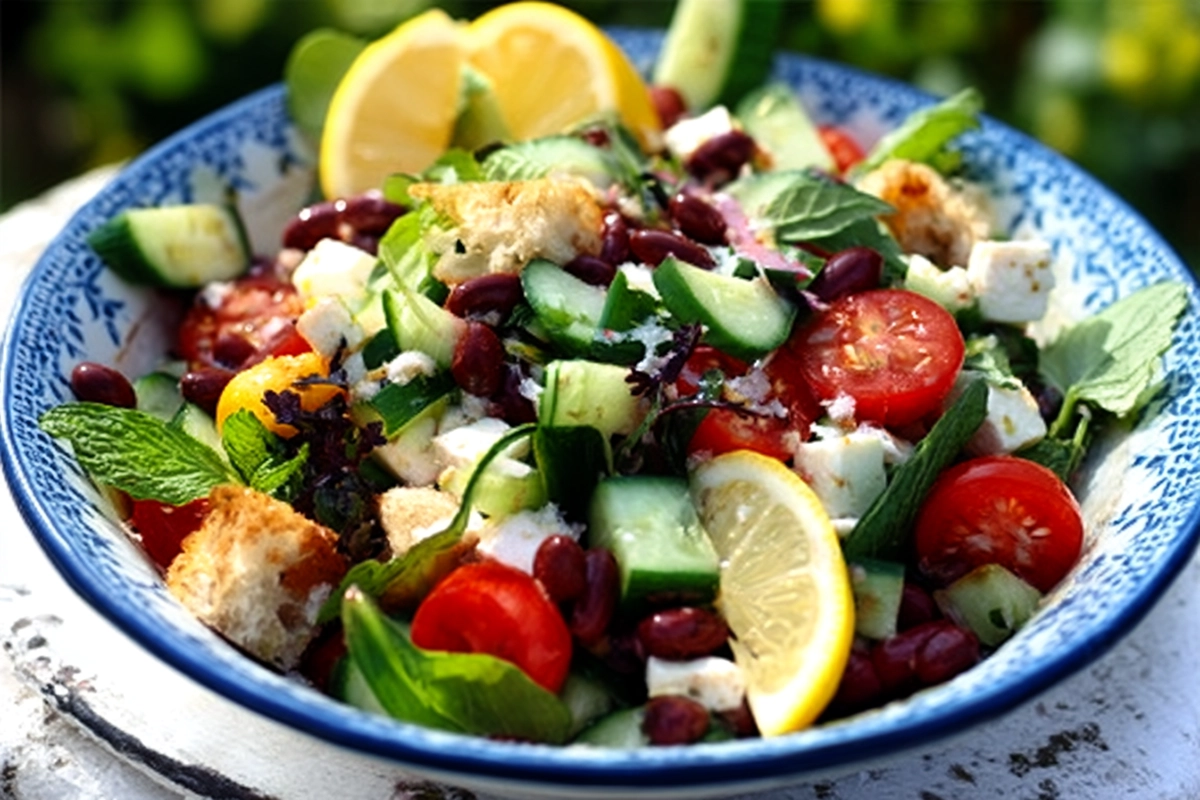
A Mediterranean Salad is more than just a dish – it’s a healthy, vibrant celebration of fresh, nutritious ingredients. With roots in the sun-drenched shores of the Mediterranean, this salad offers a taste of warmth, health, and authenticity. Whether you’re looking for a light meal or a side dish to complement your dinner, the Mediterranean Salad brings a burst of flavors and textures that are hard to resist. This guide will take you through everything you need to know to create the perfect Mediterranean Salad, from the core ingredients to variations that add exciting twists. Let’s dive in!
What Is a Mediterranean Salad?
Origins and Cultural Significance
The Mediterranean Salad has its roots in the diverse countries that border the Mediterranean Sea, including Greece, Italy, Turkey, and Lebanon. Each region has its interpretation of this refreshing salad, but they all share common ingredients like fresh vegetables, olive oil, and herbs. In Greece, for example, the traditional Horiatiki salad (also known as Greek salad) is served with large blocks of feta cheese, tomatoes, cucumbers, and olives.
This salad isn’t just a meal; it’s a cultural staple, often served during family gatherings and festive occasions. It reflects the Mediterranean lifestyle—simple, fresh, and full of life.
Health Benefits
One of the standout features of Mediterranean Salad is its health benefits. This salad is naturally rich in heart-healthy fats, thanks to extra virgin olive oil, and is packed with fresh vegetables that provide essential vitamins and antioxidants. Studies have shown that following a Mediterranean diet can help reduce the risk of heart disease, lower cholesterol levels, and promote overall well-being. The addition of fresh herbs and a splash of lemon juice not only enhances the flavor but also provides anti-inflammatory properties.
This salad is low in calories, high in fiber, and brimming with healthy fats, making it an excellent choice for anyone looking to eat cleaner and feel better.
Essential Components of a Mediterranean Salad
Vegetables
The foundation of a Mediterranean Salad lies in its fresh, crunchy vegetables. The most common ingredients include:
-
Tomatoes: Juicy, ripe tomatoes add a burst of sweetness to the salad. Varieties like Roma or vine-ripened tomatoes are commonly used.
-
Cucumbers: These refreshing, crunchy vegetables add a cool contrast to the other ingredients.
-
Red Onions: Red onions bring a touch of sharpness and color, though you can soak them in ice water to mellow their flavor.
-
Bell Peppers: Bright and slightly sweet, bell peppers (especially red or yellow) add a pop of color and extra crunch.
These vegetables are the backbone of your Mediterranean Salad, offering not only great flavor but also a variety of textures.
Proteins and Dairy
-
Feta Cheese: The star of the salad, feta adds a tangy and creamy element. Greek feta, made from sheep’s milk, is the traditional choice, but you can experiment with goat cheese for a milder taste.
-
Chickpeas: Chickpeas provide a great source of plant-based protein, making this salad not only refreshing but filling as well.
Adding proteins like chickpeas ensures that the salad isn’t just light but also hearty enough to be a main dish or a filling side.
Olives and Herbs
-
Kalamata Olives: These dark purple olives are a Mediterranean must-have. They add a salty, briny flavor that complements the sweetness of the vegetables.
-
Fresh Herbs: Oregano is the go-to herb for a classic Mediterranean flavor, but you can also experiment with fresh parsley or mint to add some extra vibrancy.
These ingredients give the salad a punch of flavor that transports you straight to the Mediterranean coast.
Dressings and Seasonings
-
Olive Oil: Extra virgin olive oil is the preferred choice. It’s rich in monounsaturated fats and has a fruity flavor that ties everything together.
-
Lemon Juice and Vinegar: A simple lemon-olive oil dressing with a splash of vinegar is all you need to bring out the natural flavors of the salad.
-
Seasonings: Salt, pepper, and a dash of dried oregano are key to bringing the salad to life. Don’t skimp on these, as they balance the freshness of the vegetables.
This simple dressing enhances the natural flavors of the vegetables and provides a satisfying zest.
Preparing the Perfect Mediterranean Salad
Washing and Preparing Vegetables
Before diving into the assembly, make sure to wash your vegetables thoroughly. Cut them into bite-sized pieces, ensuring that each ingredient is roughly the same size for uniform texture. For a clean look, remove the seeds from the cucumbers and bell peppers.
Assembling the Salad
Start by layering your vegetables in a large bowl. Begin with the tomatoes and cucumbers at the base, followed by the onions and bell peppers. The feta cheese should be crumbled or cut into large blocks and placed on top, allowing the creamy cheese to melt into the other ingredients.
Preparing the Dressing
For the dressing, whisk together extra virgin olive oil, fresh lemon juice, salt, pepper, and a pinch of dried oregano. This vinaigrette is the perfect balance of acidity and richness, giving the salad its signature Mediterranean taste.
Tossing and Serving
Once the salad ingredients are prepared, gently toss everything together to combine. The goal is to coat the vegetables with the dressing without bruising them. Serve immediately or refrigerate for a few hours to let the flavors marinate.
Variations of Mediterranean Salad
Greek Salad (Horiatiki)
A classic Greek version of the Mediterranean Salad, Horiatiki is typically served with large blocks of feta cheese and a side of Kalamata olives. The vegetables are cut into larger pieces to highlight the freshness and simplicity of the dish.
Lebanese Fattoush
This version includes crispy, toasted pita bread, which adds crunch to the salad. The tangy dressing often incorporates sumac, a spice that gives the salad a unique, zesty flavor.
Turkish Shepherd’s Salad (Çoban Salatası)
A lighter version, this salad is made with finely chopped cucumbers, tomatoes, and onions, dressed with lemon juice and olive oil. It’s the perfect refreshing dish for a warm day.
Vegan and Gluten-Free Options
If you’re vegan or gluten-free, feel free to substitute feta with a plant-based cheese or omit it entirely. You can also swap traditional pita bread with gluten-free options or skip it altogether for a low-carb version.
This section introduces you to some of the classic variations of the Mediterranean Salad. Each version brings its flair, allowing you to tailor the dish to your tastes or dietary needs.
Essential Components of a Mediterranean Salad
Vegetables
The base of any Mediterranean Salad is fresh vegetables. These ingredients add crunch and flavor.
-
Tomatoes: They add juiciness and sweetness. Use ripe tomatoes like Roma or vine-ripened for the best flavor.
-
Cucumbers: These cool, crisp vegetables are perfect for balance.
-
Red Onions: They add a sharp taste. Soaking them in water can make them milder.
-
Bell Peppers: These colorful peppers are sweet and crunchy.
These veggies bring both texture and flavor to the salad.
Proteins and Dairy
-
Feta Cheese: This creamy, tangy cheese is a key ingredient. Greek feta is the best choice. You can also try goat cheese for a different flavor.
-
Chickpeas: Chickpeas add protein and texture. They make the salad more filling.
These ingredients add richness and make the salad hearty enough to be a main dish.
Olives and Herbs
-
Kalamata Olives: These dark olives add saltiness and depth to the salad.
-
Fresh Herbs: Oregano is the classic choice. You can also use parsley or mint for a fresh touch.
Olives and herbs bring a burst of flavor to the Mediterranean Salad.
Dressings and Seasonings
-
Olive Oil: Extra virgin olive oil adds richness and heart-healthy fats.
-
Lemon Juice and Vinegar: These bring a tangy flavor that balances the richness of the olive oil.
-
Seasonings: Salt, pepper, and dried oregano are essential for seasoning.
The simple dressing ties the salad together and enhances all the ingredients.
In this section, we’ve covered the essential ingredients of a Mediterranean Salad. These fresh vegetables, proteins, dairy, and seasonings make the dish not only healthy but also full of flavor.
Preparing the Perfect Mediterranean Salad
Washing and Preparing Vegetables
Start by washing all your vegetables. Cut the tomatoes, cucumbers, and peppers into bite-sized pieces. For the cucumbers, remove the seeds for a cleaner texture. Slice the red onions thinly. Make sure all the pieces are about the same size for even distribution.
Assembling the Salad
Layer the vegetables in a large bowl. Start with the tomatoes and cucumbers. Then add the onions and bell peppers. Add the feta cheese on top. You can crumble it or leave it in large blocks for a more rustic look.
Preparing the Dressing
For the dressing, whisk together extra virgin olive oil, lemon juice, salt, pepper, and a pinch of dried oregano. This simple mix adds flavor and ties the salad together. It’s quick and easy to make.
Tossing and Serving
Once all the ingredients are in the bowl, toss them gently. Make sure the dressing coats everything evenly. You can serve it right away, or refrigerate it for a few hours to let the flavors blend.
In this part, we’ve broken down the steps to prepare the Mediterranean Salad. The process is easy and quick, giving you a fresh and healthy dish in no time!
Variations of Mediterranean Salad
Greek Salad (Horiatiki)
A Greek salad is a simple, classic version. It usually has big pieces of feta cheese, tomatoes, cucumbers, onions, and olives. The veggies are cut large, and the salad is topped with a block of feta, not crumbled. It’s fresh and easy.
Lebanese Fattoush
Fattoush is another tasty variation. It has crispy, toasted pita bread mixed in with fresh vegetables. The salad is dressed with lemon and olive oil, and often gets a tangy kick from sumac spice. It’s crunchy and full of flavor.
Turkish Shepherd’s Salad (Çoban Salatası)
This version is lighter. The vegetables are chopped finely, making it refreshing. It’s dressed with just lemon juice and olive oil. It’s simple but packed with flavor.
Vegan and Gluten-Free Options
You can make a vegan version by skipping the cheese or using plant-based cheese. For a gluten-free salad, leave out the pita or use gluten-free bread. This way, everyone can enjoy the salad!
Here, we looked at different ways to enjoy Mediterranean Salad. Each version brings its twist, and you can easily adjust the recipe to fit your taste or dietary needs.
Serving Suggestions and Pairings
Main Course Pairings
Mediterranean Salad is a great side dish. It pairs well with grilled chicken, lamb, or fish. It also goes perfectly with falafel or roasted vegetables. This salad adds freshness to any meal.
Bread and Dips
Serve the salad with crusty bread or pita. You can also enjoy it with hummus or tzatziki. These dips add more flavor and make the meal complete.
Light Meal Option
If you want to keep it simple, Mediterranean Salad can be a light meal on its own. Add some extra chickpeas or more feta for a heartier option.
In this part, we explored how to serve Mediterranean Salad. Whether as a side or a light meal, it’s versatile and pairs well with many dishes.
Nutritional Information
Caloric Breakdown
Mediterranean Salad is a light and healthy choice. A typical serving has about 150-200 calories. The calorie count depends on the amount of feta cheese and olive oil you use. It’s a great option if you’re watching your calories.
Macronutrient Content
This salad is rich in healthy fats, mostly from olive oil and feta cheese. It also has protein from chickpeas. The salad is low in carbs, making it suitable for low-carb diets.
Vitamins and Minerals
Mediterranean Salad is full of nutrients. It provides vitamin C from tomatoes and peppers. Olive oil gives you healthy fats, while chickpeas add fiber and iron. The salad is a great way to boost your intake of essential vitamins and minerals.
Here, we broke down the nutritional value of Mediterranean Salad. It’s low in calories, packed with healthy fats, and full of vitamins and minerals. Perfect for a healthy, balanced meal!
Frequently Asked Questions (FAQ)
Can I Make Mediterranean Salad Ahead of Time?
Yes, you can prep the vegetables in advance. Just store them in separate containers to keep them fresh. The dressing can also be made ahead and kept in the fridge. Toss everything together just before serving.
What Can I Use Instead of Feta Cheese?
If you don’t like feta, you can use goat cheese, mozzarella, or even a vegan cheese. These alternatives will still give your salad a creamy, rich taste.
Is Mediterranean Salad Good for Meal Prep?
Yes, it’s perfect for meal prep. The salad stays fresh for 2-3 days when stored in an airtight container in the fridge. Just add the dressing when you’re ready to eat.
Can I Add Fruit to My Salad?
Yes! You can add fruits like olives, tomatoes, or even watermelon for a sweet twist. These fruits complement the salad’s fresh, savory flavors.
How Can I Make the Salad Spicier?
If you like spice, add chili flakes or a sliced jalapeño. You can also use spicy olives or hot peppers for more heat.
In this section, we’ve answered common questions about Mediterranean Salad. These tips will help you customize the salad to your liking and make it even easier to prepare.
Conclusion
A Versatile and Nutritious Choice
Mediterranean Salad is fresh, healthy, and full of flavor. It’s a great way to enjoy a variety of vegetables, healthy fats, and proteins. Whether as a side or a light meal, it’s a perfect dish for any occasion.
Encouraging Exploration
Don’t be afraid to get creative with your Mediterranean Salad. Add different vegetables, fruits, or proteins to make it your own. You can experiment with dressings or add spices to match your taste.
Final Thoughts
Mediterranean Salad is a simple, tasty dish that can be enjoyed year-round. It’s easy to make, full of nutrients, and deliciously refreshing. So, grab some fresh ingredients and start making your Mediterranean Salad today!
Print
Mediterranean Salad: A Refreshing Taste of the Mediterranean
- Total Time: 15 minutes
- Yield: 4 servings 1x
- Diet: Vegan
Description
Mediterranean Salad is a refreshing, vibrant dish full of fresh vegetables, healthy fats, and rich flavors. With ingredients like tomatoes, cucumbers, feta cheese, and chickpeas, it’s the perfect side dish or light meal. Whether served as part of a Mediterranean feast or on its own, this salad is simple, nutritious, and packed with flavor.
Ingredients
-
2 large tomatoes, chopped
-
1 cucumber, sliced
-
1/2 red onion, thinly sliced
-
1 bell pepper, chopped
-
1 cup feta cheese (Greek-style, preferably from sheep’s milk)
-
1 cup chickpeas (cooked or canned)
-
1/2 cup Kalamata olives, pitted
-
Fresh herbs (oregano, parsley, mint)
-
1/4 cup extra virgin olive oil
-
2 tbsp lemon juice
-
Salt and pepper, to taste
-
1 tsp dried oregano
Instructions
-
Prepare the Vegetables
-
Wash and chop the tomatoes, cucumber, bell pepper, and onion.
-
Thinly slice the onion or soak it in ice water to reduce its sharpness.
-
-
Assemble the Salad
-
In a large bowl, combine the tomatoes, cucumbers, bell pepper, red onion, and chickpeas.
-
Add Kalamata olives and crumbled or cubed feta cheese on top.
-
-
Prepare the Dressing
-
In a small bowl, whisk together extra virgin olive oil, lemon juice, salt, pepper, and dried oregano.
-
-
Toss and Serve
-
Pour the dressing over the salad and gently toss to combine.
-
Garnish with fresh herbs like parsley, oregano, and mint.
-
Serve immediately or chill for 1 hour to let the flavors marinate.
-
Notes
You can make the salad vegan by omitting the feta cheese or using a plant-based version.
For a gluten-free version, simply leave out the pita (if included in variations).
You can add fruit like watermelon or berries for a sweet twist.
- Prep Time: 15 minutes
- Cook Time: None
- Category: Salad, Side dish
- Method: No-cook
- Cuisine: Mediterranean